A healthy heart supports a healthy brain
Learn about the connection between heart, stroke & brain health, and how heart health can help reduce your risk of dementia.

Did you know?
Research shows that heart health is connected to brain health. Your heart pumps blood through vessels to your entire body — including your brain. Healthy blood vessels make it easier for your heart to supply oxygen and other nutrients to your brain.
Taking care of your heart can lower your risk of dementia
February is Heart Month, an opportunity to learn more about the importance of cardiovascular health and the benefits of making heart-healthy choices — including reducing your risk of developing dementia.
Monitoring and managing your blood pressure and heart health with the help of your health care provider can also help protect your brain. You can do many things to improve your heart health and brain health at the same time. Healthy behaviours such as being physically active, eating a variety of healthy foods, avoiding smoking, getting proper sleep and managing stress can help reduce your risk of developing heart disease and dementia.
These same healthy behaviours can also help those already living with dementia slow the progression of the disease and improve their quality of life with dementia.
Vascular dementia & stroke
The most common type of dementia after Alzheimer’s disease is vascular dementia, which occurs when the brain’s blood supply is blocked or damaged, causing brain cells to be deprived of oxygen and die.
Researchers estimate that vascular dementia accounts for 15% to 25% of all dementia cases.
Vascular dementia often occurs alongside Alzheimer’s disease or other brain diseases. Symptoms of vascular dementia include:
- Changes in thinking skills, such as reasoning, planning, judgment and attention
- Changes in abilities that are significant enough to interfere with daily social or work functioning
How does vascular dementia happen?
- A network of blood vessels, called the vascular system, supplies the brain with oxygen. This network allows the brain to function properly.
- If these vessels are blocked, diseased or bleeding, blood is prevented from reaching the brain.
- With no oxygen and nutrients provided by the blood, the affected cells in the brain die, leading to dementia.
Stroke is a common cause of vascular dementia. Recognizing the signs of stroke and acting quickly can make a difference in recovery and in lowering the risk of dementia.
A stroke can:
- Affect your ability to walk
- Cause weakness in your arms or legs
- Cause you to slur your speech
- Cause changes in your behaviour, such as having emotional outbursts
- Impact your cognitive abilities such as memory and abstract thinking, holding conversation and processing visual information
What you can do to reduce your risk
Treating the risk factors for stroke significantly reduces the risk of vascular dementia:
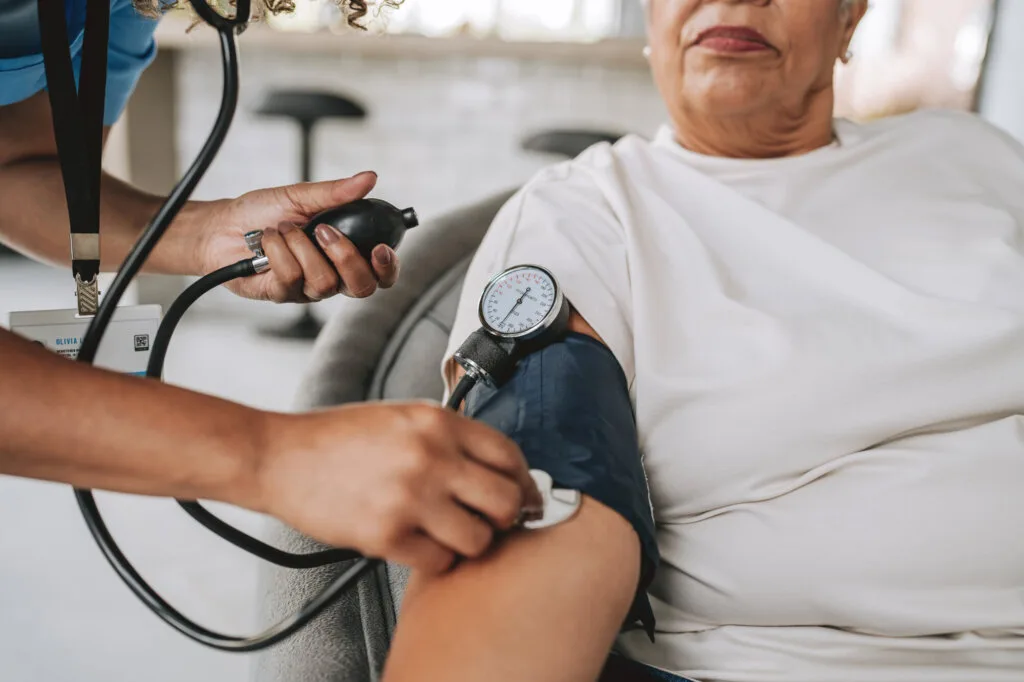
- High blood pressure (or hypertension) is the single most important risk factor for stroke and vascular dementia that can be controlled
- High blood pressure can be managed through physical activity, eating well and by taking the right medication. Talk to your doctor about the appropriate medication to treat high blood pressure
- Medications may also help control other risk factors for vascular dementia, like diabetes, cholesterol and heart disease
Overall, living a heart and brain-healthy lifestyle is the main way to reduce your risk of heart disease and dementia.
Further resources
- Vascular dementia factsheet — Learn more about the causes, signs and managing life with vascular dementia.
- Stroke risk & prevention — Find more information about stroke risk factors and prevention from Heart and Stroke Foundation of Canada
- Dementia risk factors — Read about the strategies and lifestyle choices that can help you reduce your risk of developing dementia
Related stories
Do you know the risk factors?
When it comes to dementia, there are risk factors you can change, and ones you can’t.
![]()
Learn why healthy eating is good for your brain
Eating a balanced, nutritious diet can help reduce your risk of dementia.
![Reduce Your Risk of Dementia with Physical Activity]()
Reduce your risk of dementia with physical activity
Learn five tips to help you stay active for a healthy brain!